


Mechanical Kitchen Timer
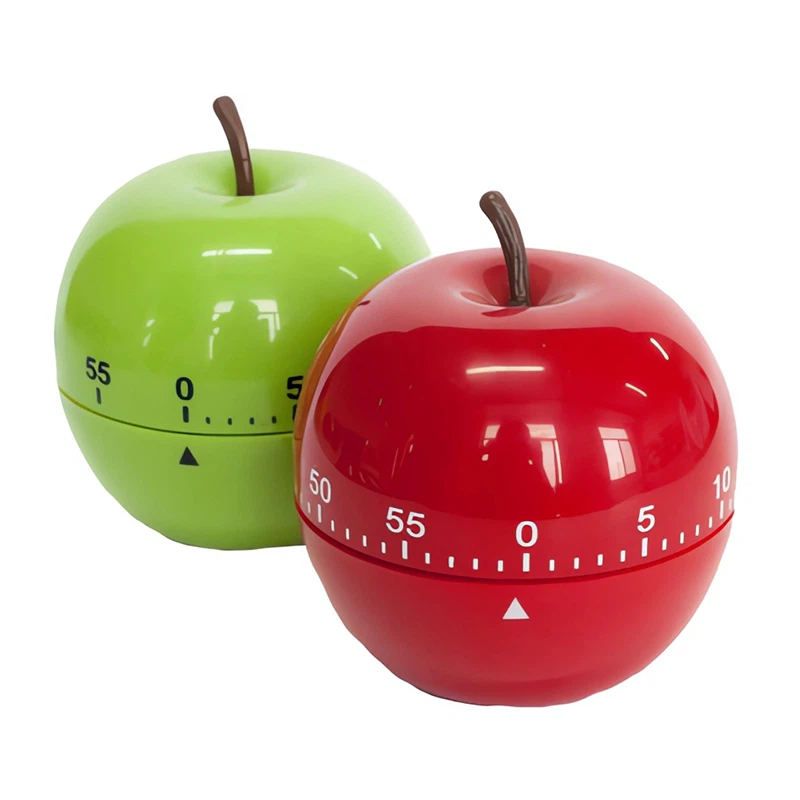
A Mechanical Kitchen Timer is a non-electric device. It tracks cooking time. It has a simple mechanical structure. It usually has a dial, a spring and a buzzer.
Users turn the dial. They set the time they need. For example, 15 minutes for roasting veggies. Turning the dial winds the internal spring. The spring unwinds slowly. The dial counts down as the spring unwinds. It reaches zero. Then the spring triggers the buzzer. First, the buzzer makes a clear ticking sound. At the end, it makes a loud beep.
It needs no batteries. It is durable. It works well for home cooks. It has a classic design. The design fits any kitchen. The ticking sound helps users too. It lets them sense the passing time easily.


The working principle of Mechanical Kitchen Timer
A Mechanical Kitchen Timer uses a mechanical spring system. It has three key parts. They are a dial, an internal clockwork spring and a buzzer.
First, users turn the dial clockwise. They turn it to the maximum time. The maximum time is usually 60 minutes. Then they turn the dial back. They set it to the desired time. For example, 20 minutes for boiling potatoes. This action winds the internal spring.
After setting, the spring starts to unwind slowly. The spring unwinds. It drives the dial to rotate counterclockwise. The dial counts down the time as it rotates. The dial returns to the "0" mark. Then the unwound spring pushes a small lever. This lever triggers the buzzer. First, the buzzer makes a steady ticking sound. The sound shows time passing. At the end, it makes a loud beep. The beep alerts users the time is up.
It has no electronic parts. All functions rely on mechanical movement. So it needs no batteries.
Features of Mechanical Kitchen Timer
No Battery Needed: It runs on a clockwork spring. Users wind it by turning the dial. They just need to do this. There’s no need to buy batteries. There’s no need to replace batteries. This saves cost. It also avoids sudden shutdowns from dead batteries.
Simple Operation: It has only one dial. Users set time by turning the dial. There are no buttons. There are no displays. Even kids can learn to use it. Elderly people can learn too. They can learn in 1 minute.
Audible Time Cue: It makes a clear ticking sound. It makes the sound when counting down. Users can tell time is passing. They don’t need to look at the dial. The final beep is loud. It’s about 75 decibels. It’s loud enough to be heard over kitchen noise.
Durable Structure: It’s usually made of hard plastic. It may also be made of metal. The internal spring is strong. It can be wound thousands of times. It’s not easy to break. This is true even with daily use.
Classic Design: Most models have a round shape. Some have a square shape. They have a clear dial. The dial is marked with 5-minute intervals. The look is simple and classic. It fits any kitchen style. It fits modern styles. It also fits traditional styles.


Application of Mechanical Kitchen Timer
Home Cooks:
It’s great for daily cooking tasks. For example, it times 8 minutes for soft-boiled eggs. It times 15 minutes for steaming veggies. It times 30 minutes for baking bread. It stops users from forgetting about cooking. It also avoids overcooking.
Beginners in Cooking:
New cooks often struggle with time control. The timer’s ticking sound helps them. The clear beep helps too. They can follow recipes accurately. This builds their confidence in cooking.
Outdoor Cooking:
It works without electricity. Users can take it for camping. They can take it for backyard barbecues. No need to worry about power. No need to worry about battery life. It times grilling meat perfectly. For example, 10 minutes per side for steak.
Small Bakeries:
Staff in small food shops use it. They manage simple tasks with it. For example, it times 5 minutes for toasting bagels. It times 20 minutes for warming pastries. It’s easy to pass between workers. It needs no setup.
Non-Cooking Timing:
It’s useful beyond the kitchen. For example, it times 10 minutes for kids’ homework breaks. It times 15 minutes for handwashing clothes. It times 20 minutes for plant watering. It’s a versatile tool. It’s good for daily life.
FAQ
Q: How do I set the time correctly?
A: First, turn the dial clockwise. Turn it all the way to the maximum time. The maximum time is usually 60 minutes. Then turn it counterclockwise. Turn it to your desired time. For example, 25 minutes. Don’t just turn it counterclockwise directly. This won’t wind the spring. The timer won’t work if you do this.
Q: Why doesn’t the timer beep when it reaches zero?
A: Check if you wound the spring correctly. You need to turn the dial to the maximum time first. If it still doesn’t beep, the internal lever may be stuck. Gently tap the timer on the counter. This often fixes the stuck lever.
Q: Can I set time shorter than 5 minutes?
A: Most models have a minimum time of 5 minutes. The dial is marked with 5-minute intervals. Some small models can set 1-minute increments. Check the dial marks before buying. Do this if you need short timing.
Q: Is it waterproof? Can I clean it with water?
A: No. The internal mechanical parts can rust. They rust if they get wet. Wipe the surface with a dry cloth. If there’s oil or dirt, use a slightly damp cloth. Wring out the cloth well. Dry it right away after wiping.
Q: How long can the spring last?
A: The internal spring is designed to last 3-5 years. This is with daily use. If the timer starts to count down slowly. Or if the beep gets weak. The spring may be worn out. It’s usually cheaper to replace the timer. Repairing the spring is more expensive.
Q: Can I stop the timer early?
A: Yes. Just turn the dial clockwise. Turn it back to the "0" mark. The spring will stop unwinding. The ticking sound will stop too. This is useful. Use it if you finish cooking before the timer beeps.
As one of the leading mechanical kitchen timer manufacturers and suppliers in China, we warmly welcome you to wholesale cheap mechanical kitchen timer from our factory. All custom made products are with high quality and competitive price.
2 Hour Mechanical Kitchen Timer, Best Mechanical Kitchen Timer, mechanical kitchen timer