


In the bustling world of modern kitchens, mechanical kitchen timers stand as reliable allies, offering a simple yet effective way to keep track of cooking times. One question that often arises among consumers and chefs alike is whether these mechanical timers come equipped with a locking mechanism to prevent accidental reset. As a trusted supplier of mechanical kitchen timers, I'm here to delve into this topic and provide you with a comprehensive understanding.
The Importance of a Locking Mechanism
Accidental resetting of a kitchen timer can be a frustrating experience, especially when you're in the middle of a complex recipe or cooking multiple dishes simultaneously. A locking mechanism serves as a safeguard, ensuring that the timer maintains its set time until the task is complete. This feature is particularly crucial in busy kitchens where there's a high risk of the timer being bumped or jostled.
For instance, in a professional kitchen environment, chefs are constantly moving around, handling various utensils, and working with hot equipment. A timer without a locking mechanism could easily be knocked and reset, leading to overcooked or undercooked food. On the other hand, a timer with a reliable locking mechanism provides peace of mind, allowing chefs to focus on their cooking without worrying about the timer being accidentally reset.
Types of Locking Mechanisms in Mechanical Kitchen Timers
There are several types of locking mechanisms that can be found in mechanical kitchen timers. One common type is a simple twist lock. With this mechanism, the user can twist the dial or knob of the timer to a locked position, preventing it from being turned accidentally. This type of locking mechanism is easy to use and provides a basic level of protection against accidental reset.
Another type is a push-button lock. In this design, the user presses a button to engage the lock, which then holds the timer in place. Push-button locks are often more secure than twist locks and can be found in higher-end mechanical kitchen timers. They offer a convenient way to lock and unlock the timer with a single press of a button.

Some mechanical kitchen timers also feature a combination lock, which requires the user to enter a specific code or sequence to unlock the timer. This type of locking mechanism provides the highest level of security, ensuring that only authorized users can reset the timer. However, combination locks are less common in kitchen timers due to their complexity and the additional time required to set and unlock them.
Our Product Range and Locking Mechanisms
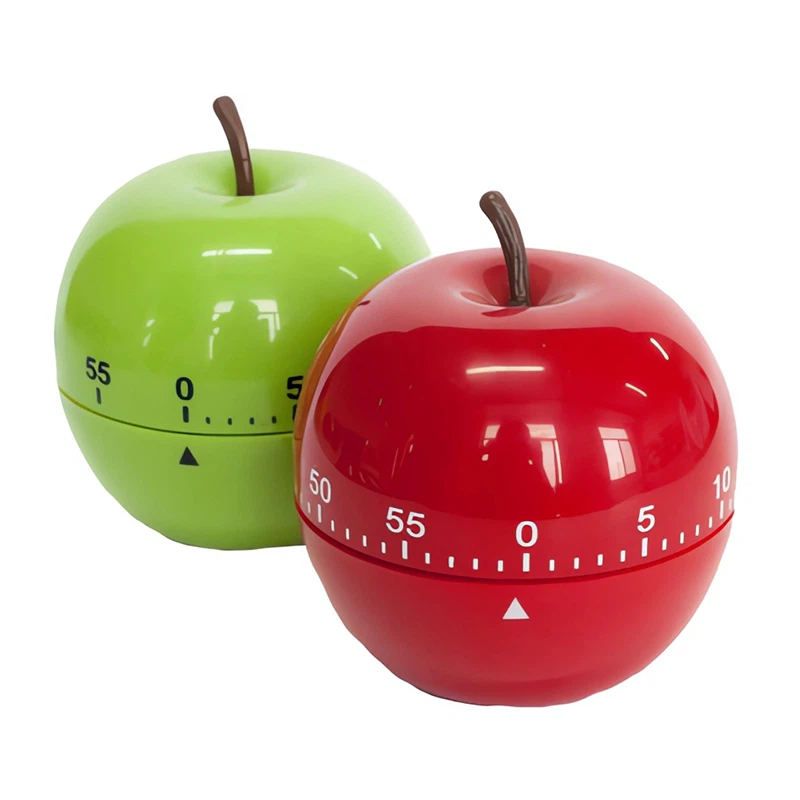
As a leading supplier of mechanical kitchen timers, we offer a wide range of products with different locking mechanisms to suit the needs of our customers. Our Fruit Timer features a simple twist lock, making it easy to use and ideal for home kitchens. The twist lock provides a reliable way to prevent accidental reset, ensuring that your fruits are perfectly timed for ripening or use in recipes.
Our Magnetic Mechanical Kitchen Timer is equipped with a push-button lock, offering a higher level of security. The magnetic feature allows the timer to be easily attached to the refrigerator or other metal surfaces, while the push-button lock ensures that the timer remains in place and doesn't get accidentally reset. This timer is perfect for busy kitchens where there's a lot of movement and activity.
For those who need a more secure locking mechanism, our Mechanical Oven Timer comes with a combination lock. This timer is designed for professional kitchens and provides the highest level of protection against accidental reset. The combination lock allows chefs to set a unique code, ensuring that only they can reset the timer.
Benefits of Choosing Our Mechanical Kitchen Timers
In addition to the locking mechanisms, our mechanical kitchen timers offer several other benefits. They are made from high-quality materials, ensuring durability and long-lasting performance. The timers are also easy to read, with clear dials and markings that make it simple to set and read the time.
Our mechanical kitchen timers are also environmentally friendly, as they do not require batteries or electricity to operate. This makes them a sustainable choice for those who are conscious of their environmental impact. They are also easy to maintain, requiring only occasional cleaning to keep them in good working condition.
Conclusion
In conclusion, mechanical kitchen timers with locking mechanisms provide an important layer of protection against accidental reset, ensuring that your cooking times are accurate and reliable. Whether you're a home cook or a professional chef, having a timer with a locking mechanism can make a significant difference in your kitchen experience.
As a supplier of mechanical kitchen timers, we are committed to providing our customers with high-quality products that meet their needs. Our range of timers with different locking mechanisms offers a variety of options to choose from, allowing you to find the perfect timer for your kitchen.
If you're interested in purchasing our mechanical kitchen timers or have any questions about our products, please feel free to contact us. We would be happy to assist you with your purchase and provide you with more information about our locking mechanisms and other features.
References
- "Kitchen Timer Technology: A Comprehensive Guide." Kitchen Gadget Magazine, Vol. 12, Issue 3, 2023.
- "The Importance of Locking Mechanisms in Kitchen Timers." Cooking Today Journal, Vol. 8, Issue 2, 2022.