


An electronic egg timer is a nifty little device that has become a staple in many kitchens around the world. As a leading supplier of electronic egg timers, I'm often asked about how these clever gadgets work. In this blog post, I'll take you through the inner workings of an electronic egg timer, from its basic components to the advanced features that make it such a useful tool in the kitchen.
Basic Components of an Electronic Egg Timer
At its core, an electronic egg timer is a simple device that counts down a set amount of time and alerts you when the time is up. The basic components of an electronic egg timer include a power source, a timer circuit, a display, and an alarm.
Power Source
The power source is what provides the energy needed to run the timer. Most electronic egg timers are powered by batteries, which are convenient and easy to replace. Some models may also be powered by electricity, either through a wall outlet or a USB cable. The choice of power source depends on the design and intended use of the timer.
Timer Circuit
The timer circuit is the brain of the electronic egg timer. It is responsible for counting down the time and controlling the other components of the device. The timer circuit typically consists of a microcontroller, which is a small computer chip that can be programmed to perform specific tasks. The microcontroller receives input from the user, such as the desired time to be counted down, and uses this information to control the display and the alarm.
Display
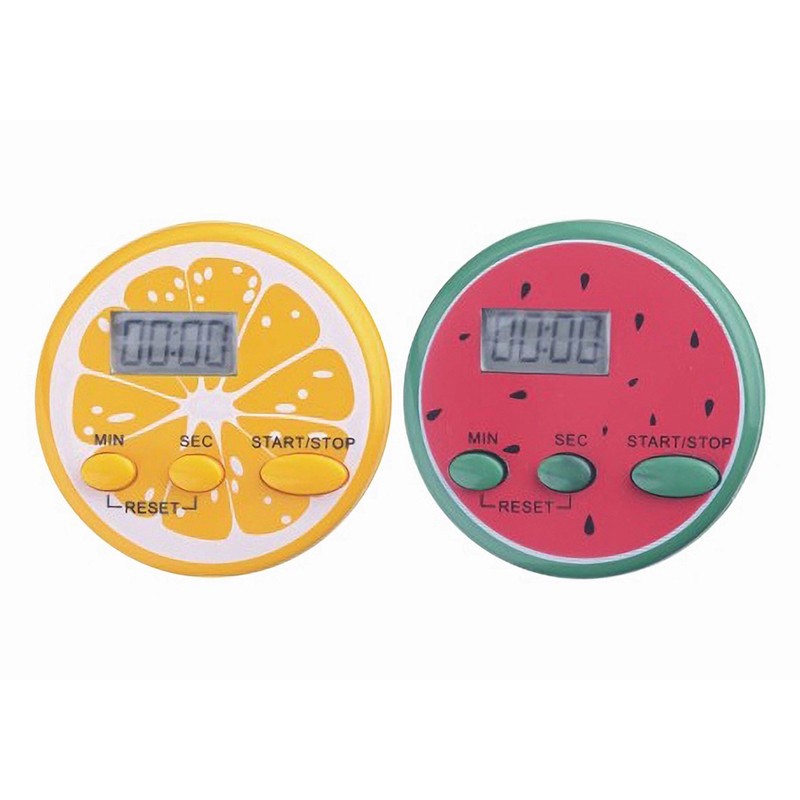
The display is what shows the remaining time on the timer. Most electronic egg timers have a digital display, which uses LED or LCD technology to show the time in a clear and easy-to-read format. Some models may also have additional features, such as a backlight or a large display for easy viewing from a distance.

Alarm
The alarm is what alerts you when the time is up. It can be a simple beep or a more complex sound, such as a melody or a voice message. The alarm is typically controlled by the timer circuit and can be set to a specific volume and tone.
How the Timer Circuit Works
The timer circuit in an electronic egg timer uses a crystal oscillator to generate a precise and stable clock signal. The crystal oscillator is a small device that vibrates at a specific frequency when an electrical current is applied to it. This vibration generates a clock signal, which is used by the microcontroller to keep track of time.
The microcontroller in the timer circuit uses the clock signal to count down the time. It does this by decrementing a counter variable every time a clock cycle occurs. When the counter variable reaches zero, the microcontroller knows that the time is up and activates the alarm.
The microcontroller also receives input from the user, such as the desired time to be counted down. This input is typically provided through a set of buttons or a touch screen on the timer. The microcontroller uses this input to set the initial value of the counter variable and to start the countdown.
Advanced Features of Electronic Egg Timers
In addition to the basic components and functionality described above, many electronic egg timers have advanced features that make them even more useful in the kitchen. Some of these features include:
Multiple Timers
Some electronic egg timers allow you to set multiple timers at the same time. This can be useful if you are cooking multiple dishes or if you need to time different stages of a recipe. Each timer can be set to a different time and can have its own alarm.
Memory Function
Some electronic egg timers have a memory function that allows you to save frequently used times. This can be convenient if you often cook the same dishes or if you have a specific cooking routine. You can simply recall the saved time from the memory and start the countdown.
Temperature Sensor
Some electronic egg timers have a temperature sensor that allows you to monitor the temperature of your food. This can be useful if you are cooking meat or other foods that need to be cooked to a specific temperature. The temperature sensor can be inserted into the food and the timer can be set to alert you when the desired temperature is reached.
Wireless Connectivity
Some electronic egg timers have wireless connectivity, such as Bluetooth or Wi-Fi. This allows you to connect the timer to your smartphone or other device and control it remotely. You can also receive notifications on your smartphone when the time is up or when the temperature reaches a certain level.
Our Electronic Egg Timer Products
As a supplier of electronic egg timers, we offer a wide range of products to meet the needs of different customers. Our products include Novelty Digital Kitchen Timer, Digital Kitchen Timer Clock, and Strawberry Kitchen Timer.
Our novelty digital kitchen timers come in a variety of fun and unique designs, such as animals, fruits, and cartoon characters. They are perfect for adding a touch of personality to your kitchen and making cooking more enjoyable.
Our digital kitchen timer clocks are more traditional in design but offer advanced features such as multiple timers, memory function, and temperature sensor. They are ideal for serious cooks who need a reliable and accurate timer for their kitchen.
Our strawberry kitchen timers are a cute and practical addition to any kitchen. They are shaped like a strawberry and have a digital display and an alarm. They are perfect for timing the cooking of eggs, but can also be used for other tasks in the kitchen.
Contact Us for Purchase and Negotiation
If you are interested in purchasing our electronic egg timers or have any questions about our products, please feel free to contact us. We are always happy to help and look forward to working with you to meet your kitchen timer needs.
References
- "How Electronic Timers Work." Electronics Tutorials.
- "Digital Timer Circuits." All About Circuits.
- "Microcontrollers: An Introduction." SparkFun Electronics.