


Hey there! As a supplier of mechanical kitchen timers, I've always been fascinated by the simple yet ingenious ticking sound these little gadgets make. It's not just a random noise; there's a whole science behind it. So, let's dive in and explore how the ticking sound of a mechanical kitchen timer works.
The Basics of a Mechanical Kitchen Timer
First off, let's understand what a mechanical kitchen timer is. It's a nifty device that you can use to keep track of time while cooking, baking, or doing other kitchen tasks. Unlike digital timers, mechanical timers don't rely on batteries or electricity. Instead, they use good old - fashioned mechanical components to function.
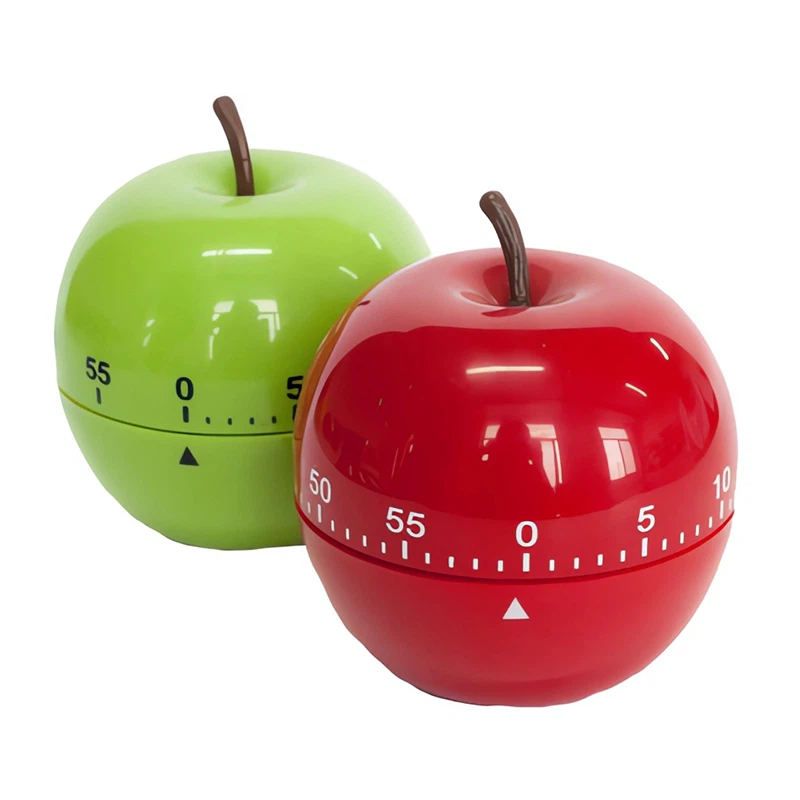
There are different types of mechanical kitchen timers available on our site. For example, we have the Mechanical Egg Timer, which is perfect for timing your eggs to the perfect level of doneness. Then there's the Animal Timer, which adds a fun and cute element to your kitchen, and the Fruit Timer, which not only tells time but also looks great on your countertop.
The Inner Workings of a Mechanical Kitchen Timer
At the heart of a mechanical kitchen timer is a spring - driven mechanism. When you set the timer, you're essentially winding up a coiled spring inside the device. This spring stores potential energy, just like when you stretch a rubber band. The more you wind the spring, the more energy it stores.
Once the spring is wound, it wants to unwind. But there's a catch. A series of gears and a pendulum or a balance wheel control the rate at which the spring unwinds. These gears are like a team of tiny workers, each with a specific job to do. They transfer the energy from the spring in a controlled manner.
The pendulum or balance wheel plays a crucial role here. It acts as a regulator, making sure that the gears move at a steady pace. Every time the pendulum swings back and forth or the balance wheel oscillates, it allows the gears to move a little bit. This controlled movement of the gears is what makes the timer tick.
The Ticking Sound Explained
So, where does the ticking sound come from? Well, it's all about the interaction between the gears and the escapement mechanism. The escapement is a special part of the timer that releases the energy from the spring in small, discrete amounts.
As the gears move, the escapement mechanism makes a clicking sound. This clicking sound is what we hear as the ticking of the timer. Each tick represents a small increment of time passing. It's like a little signal telling you that the timer is working and counting down.
The sound is also affected by the materials used in the timer. For example, if the gears are made of metal, the ticking sound will be a sharp, metallic click. If some parts are made of plastic, the sound might be a bit softer and more muted.
The Accuracy of the Ticking
You might be wondering how accurate the ticking of a mechanical kitchen timer is. Well, it depends on a few factors. The quality of the components, the precision of the manufacturing, and the design of the escapement mechanism all play a role.
In general, a well - made mechanical kitchen timer can be quite accurate for everyday kitchen use. However, it's not as precise as a digital timer. Digital timers can measure time down to the second, while mechanical timers might have a small margin of error. But for most cooking and baking tasks, the accuracy of a mechanical timer is more than sufficient.

Why Choose a Mechanical Kitchen Timer?
Now, you might be thinking, "Why would I choose a mechanical kitchen timer when I have a digital one on my phone?" Well, there are several reasons.
First of all, mechanical timers are reliable. You don't have to worry about running out of battery or losing your connection. They work as long as you wind them up.
Secondly, they have a certain charm. There's something really satisfying about winding up a mechanical timer and hearing that steady ticking sound. It adds a touch of old - fashioned nostalgia to your kitchen.
And let's not forget about the variety. As I mentioned earlier, we have different styles like the mechanical egg timer, animal timer, and fruit timer. You can choose one that suits your personality and kitchen decor.
Maintenance of a Mechanical Kitchen Timer
To keep your mechanical kitchen timer working well and making that lovely ticking sound, a little maintenance is required. You should keep it clean and free from dust and debris. You can use a soft, dry cloth to wipe it down from time to time.
Also, make sure not to over - wind the spring. If you wind it too tightly, it can damage the spring or other components inside the timer. And if you notice that the ticking sound changes or the timer becomes less accurate, it might be a good idea to have it checked by a professional.
Contact for Purchase and洽谈
If you're interested in adding a mechanical kitchen timer to your kitchen, or if you're a retailer looking to stock our products, we'd love to hear from you. We offer a wide range of high - quality mechanical kitchen timers at competitive prices. Just reach out to us, and we can start the conversation about your purchase and any specific requirements you might have.
References
- "The Science of Timekeeping in Mechanical Devices" - A book on the mechanics of time - keeping devices.
- "Kitchen Gadgets: A Guide to the Best Tools" - A resource that provides information on different kitchen gadgets, including mechanical timers.