


Hey there! As a supplier of Mechanical Egg Timers, I've been getting a lot of questions lately about the stability of these nifty little kitchen gadgets. So, I thought I'd take a deep dive into what stability really means when it comes to a mechanical egg timer and why it matters.
First off, let's talk about what a mechanical egg timer is. A Mechanical Egg Timer is a classic kitchen tool that uses a spring - loaded mechanism to keep time. You wind it up, set the desired time, and when the time's up, it makes a little ring or click to let you know. It's a simple yet effective way to time your eggs, but also other things in the kitchen like baking or boiling fruits.
Now, when we're talking about the stability of a mechanical egg timer, there are a few key aspects to consider.
1. Structural Stability
The first thing is the physical build of the timer. A well - made mechanical egg timer is constructed with high - quality materials. The casing should be sturdy enough to withstand regular use. If it's made of cheap plastic, it might crack or break easily, especially if it gets dropped or knocked around in the kitchen.
For example, our timers are crafted with durable plastics or metals. The metal ones are particularly great because they can handle more wear and tear. The gears inside the timer also need to be stable. They should be precisely cut and assembled so that they move smoothly without getting jammed. If the gears are misaligned or of poor quality, the timer won't work accurately, and it might stop working altogether after a short period.
2. Timekeeping Stability
This is probably the most important aspect for most users. A stable mechanical egg timer should keep accurate time. When you set it for 3 minutes, it should ring exactly at the 3 - minute mark. But how does this happen?
The heart of a mechanical egg timer is its escapement mechanism. This is what regulates the movement of the gears and controls the flow of time. A good escapement mechanism ensures that the timer runs at a consistent speed. Over time, the lubrication inside the timer can dry out, which might affect the speed of the gears. That's why it's important to have a well - designed and well - maintained escapement.
We test our timers rigorously to make sure they keep accurate time. We set them for different time intervals and check them against a reliable time source. If there's any deviation, we adjust the mechanism until it's perfect. This way, you can trust that our Mechanical Egg Timer will always give you the right time.
3. Environmental Stability
The environment in which the timer is used can also affect its stability. Temperature and humidity can have an impact on the mechanical components. In a very hot and humid kitchen, the metal parts might start to rust, and the plastic parts could expand or warp.
Our timers are designed to be as environmentally stable as possible. We use rust - resistant metals and plastics that can handle a wide range of temperatures. However, it's still a good idea to keep your timer in a dry place when it's not in use.
Why Stability Matters
You might be wondering, "Why does stability matter so much?" Well, think about it. If you're boiling eggs, getting the timing right is crucial. Over - boiled eggs are rubbery and unappetizing, while under - boiled eggs can be runny and not fully cooked.

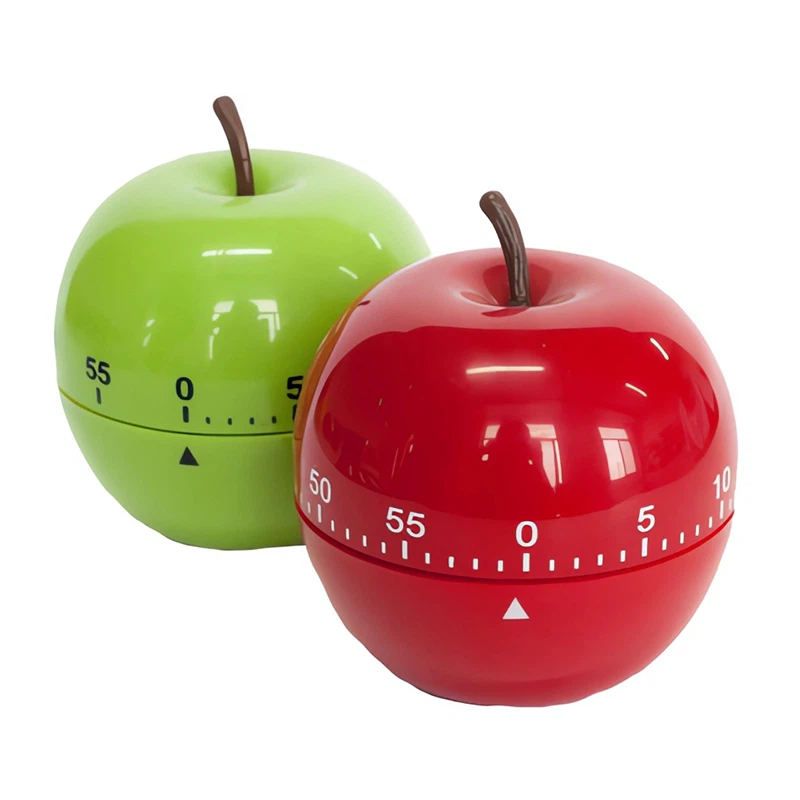
Also, if you're using the timer for baking, accurate timekeeping is essential for a perfect cake or bread. A timer that's off by even a minute or two can ruin your dish. So, having a stable mechanical egg timer gives you peace of mind in the kitchen.
Other Uses of Mechanical Timers
Mechanical egg timers aren't just for eggs. You can use them for all sorts of things in the kitchen. For instance, if you're making fruit compotes or jams, you can use a Fruit Timer. These are basically the same as egg timers but can be used to time the cooking of fruits.
You can also use them as Mechanical Oven Timers. When you're baking in the oven, it's easy to lose track of time. A mechanical oven timer can sit on the countertop and remind you when your food is ready.
Maintaining the Stability of Your Mechanical Egg Timer
To keep your mechanical egg timer stable and working well, there are a few things you can do. First, clean it regularly. Wipe off any dust or debris that might have accumulated on the outside. You can use a soft, dry cloth for this.
If your timer has a metal case, you can polish it every once in a while to keep it looking good and to prevent rust. And as I mentioned earlier, store it in a dry place.
If you notice that the timer is starting to run slow or fast, don't try to fix it yourself unless you're an expert. Instead, bring it to a professional or contact us. We can usually diagnose the problem and get it back in working order.
Conclusion
In conclusion, the stability of a mechanical egg timer is a combination of its structural, timekeeping, and environmental stability. A well - made and well - maintained timer can be a reliable companion in the kitchen for years to come.
If you're in the market for a high - quality, stable mechanical egg timer, we've got you covered. Our timers are designed with all these stability factors in mind. Whether you need it for boiling eggs, timing your fruit recipes, or using it as an oven timer, we have the perfect solution.
If you're interested in purchasing our products or have any questions, feel free to reach out. We're always happy to help you find the right timer for your needs and discuss any bulk purchase options.
References
- "The Art of Mechanical Timekeeping" by Horological Press
- "Kitchen Gadgets: A Practical Guide" by Homeware Publishing